
Extend Your Car's Life in Okinawa: A Guide to Seasonal Care and Smart Maintenance
industry
For a Safe and Comfortable Car Life in Okinawa: The Importance of Seasonal Car Care
In Okinawa, a car is more than just a means of transportation; it's an essential part of daily life. From accessing beautiful beaches, natural scenery, and tourist spots to handling everyday shopping, commuting, and family transport, a vehicle is indispensable for supporting our day-to-day activities.
However, Okinawa's climate is far from easy on vehicles. The strong sun, high temperatures and humidity, and the year-round effects of salt-laden winds and typhoons place a significant burden on a car's body and internal mechanisms. Neglecting proper care can lead to unexpected trouble, costly repairs, and can even shorten the lifespan of your vehicle.
This is especially true for used cars. While they offer lower initial costs compared to new vehicles, post-purchase maintenance is what largely determines their performance and longevity. In this article, maintenance experts will clearly explain key seasonal car care points for keeping your vehicle running long, safely, and economically, taking into account Okinawa's unique climate conditions. Whether you are considering buying a car or already own a used one, we encourage you to read on and apply these tips to your daily car life.
Challenges Facing Cars in Okinawa: The Risks of Neglecting Maintenance
Neglecting vehicle maintenance not only increases the risk of breakdowns but also leads directly to financial losses and safety issues. In Okinawa's environment, these effects can be even more pronounced.
How Okinawa's Unique Climate Affects Cars
- Strong UV Rays and High Temperature/Humidity: The sun is intense year-round, and temperatures get extremely high, especially in summer. Direct sunlight accelerates the deterioration of the body's paint and interior, and can cause headlights to yellow. Furthermore, high humidity can lead to electrical system problems, mold growth, and body corrosion. Okinawa's average annual temperature is about 23°C, and annual rainfall exceeds 2000mm, creating a prolonged high-humidity environment.
- Salt Damage (Sea Breeze): Surrounded by the sea, Okinawa is constantly exposed to salt-laden winds. The salt content in the air rapidly advances rust and corrosion on the metal parts of a car. The undercarriage and engine bay are particularly susceptible to rust, and if left unattended, this can lead to the failure of functional components.
- Typhoons and Torrential Rain: Typhoons, which are frequent from summer to autumn, bring strong winds and heavy rainfall. They can damage vehicles in various ways, including body damage from flying debris, engine and electrical system failure due to flooding, and accelerated deterioration of wipers and tires.
Troubles and Financial Losses from Neglect
Neglecting regular maintenance makes the following problems more likely to occur:
- Unexpected Breakdowns and High Repair Costs: Ignoring small warning signs like unusual noises or minor issues can eventually lead to major failures with expensive repair bills. For example, an engine that has been neglected with old oil can suffer severe damage, sometimes costing hundreds of thousands of yen to repair.
- Worsening Fuel Economy: Deteriorated engine oil, low tire pressure, and clogged air filters can significantly worsen fuel efficiency. For instance, a 10% drop in tire pressure can reportedly worsen fuel economy by 2-3%. Over the long term, this adds up to a significant expense.
- Reduced Safety: Worn brake pads, insufficient tire tread, and malfunctioning lights can lead to serious accidents. Okinawan roads are particularly slippery when it rains, making tire condition extremely important.
- Shortened Lifespan and Decreased Resale Value: There is a significant difference in the lifespan of a well-maintained car versus one that is not. Neglect accelerates a car's deterioration, leading not only to an earlier replacement but also a substantial drop in its trade-in or resale value.
To avoid these risks and enjoy a safe and comfortable car life, planned and continuous maintenance is essential.
Specific Seasonal Car Care Measures: Inspection Points for Okinawa's Environment
To make your car last longer in Okinawa's environment, a year-round, systematic maintenance plan is crucial. Understand the characteristics of each season and perform the appropriate care.
1. Summer Car Care for Strong Sun and High Heat (June-October)
Okinawa's long summer is the harshest season for a car. Just like people, cars need protection from heatstroke.
- Coolant Check and Refill: Overheating is a classic summer car problem. Check the coolant level and concentration. Refill if low, and consider a replacement if the color is cloudy or it hasn't been changed in a long time. A full cooling system inspection is also important.
- Battery Inspection: High temperatures accelerate the evaporation of battery fluid, shortening its life. Check the fluid level, look for loose or corroded terminals, and perform a voltage check. The frequent use of the air conditioner in summer also puts a greater strain on the battery. A typical battery life is 2-5 years, but this can be even shorter in Okinawa's climate.
- Air Conditioning System Maintenance: Cleaning or replacing the cabin air filter is a must. A clogged filter reduces cooling efficiency and worsens fuel economy. If your A/C isn't blowing cold, it could also indicate a gas leak or compressor issue, so a professional inspection is recommended.
- Tire Pressure Adjustment: As road surface temperatures rise in the summer, tire pressure tends to increase. Regular pressure checks, adjusted to the manufacturer's specification, can reduce the risk of a blowout and optimize fuel economy. Also, check for cracks, as UV rays can accelerate rubber degradation.
- Body UV Protection: Protect your car's body with wax or a glass coating to prevent paint deterioration. Parking in the shade or using a sunshade is also effective.
2. Fall/Winter Car Care for Salt Air and Typhoons (November-May)
While the weather becomes more pleasant after summer, the effects of typhoons can linger, and salt damage from sea breezes remains a problem even in winter.
- Post-Typhoon Inspection and Cleaning: After a typhoon passes, thoroughly check the body for scratches and dents from flying debris. Most importantly, give the undercarriage a thorough wash. Salt from sea breezes and rainwater will cause rust if left, so it's best to rinse it off with a high-pressure washer.
- Rust and Corrosion Prevention: Keep an eye out for rust progression from salt air throughout the fall and winter. If you find small chips or peeling paint, get them repaired with bodywork or a touch-up quickly to prevent rust from spreading. Applying a rust-proofing treatment is also effective.
- Wiper Blade Replacement: The rubber on your wiper blades may have deteriorated from the strong summer sun and heat. To ensure clear visibility on rainy days, consider inspecting and replacing them in the fall.
- Light Check: To prepare for night driving, check that your headlights, taillights, brake lights, and turn signals are all working correctly. Yellowed headlights may have reduced brightness and may require polishing or replacement.
- Tire Tread and Condition Check: In rainy Okinawa, tires with low tread are more likely to hydroplane. It's necessary to replace them before the tread depth falls below the legal minimum of 1.6mm. Also, check the manufacturing date and look for cracks on the sidewalls.
Smart Maintenance for Inspections and Major Consumables: Balancing Safety and Economy
To ensure your car's safety and keep long-term maintenance costs down, regular vehicle inspections and timely replacement of major consumables are essential.
1. The Role of Shaken and Statutory Inspections
- Shaken (Mandatory Vehicle Inspection): This is a system to verify that a vehicle complies with national safety and environmental standards. It is required 3 years after a new car purchase and every 2 years thereafter. A car that does not pass the Shaken inspection cannot be legally driven on public roads.
- Statutory Inspections (Periodic Inspections): Separate from the Shaken, these inspections are performed to maintain the vehicle's performance. There are 1-year (12-month) and 2-year (24-month) inspections, where professionals meticulously check various parts of the car. For used cars, where the previous owner's usage history can be unclear, having a professional eye on the vehicle through these inspections is extremely important.
- Daily Checks: These are inspections performed by the user. Simply checking basic items like tire pressure and tread, light function, and washer fluid levels can lead to the early detection of major problems.
By properly performing these inspections, you can discover potential issues early, address them before they become costly repairs, and consistently maintain a high level of safety.
2. Replacement and Maintenance of Major Consumables
- Tires:
Tires are a critical component that directly affects your car's safety. It's necessary to check not only tread depth but also air pressure, manufacturing date, cracks, and uneven wear. According to a JAF (Japan Automobile Federation) survey, problems caused by insufficient tire pressure are very common.
- Air Pressure Check: Adjust to the proper pressure at least once a month.
- Tread Depth Check: Replace tires before the wear indicators (1.6mm of remaining tread) appear.
- Rotation: Rotating the tires every 5,000 to 10,000 km can prevent uneven wear and extend their life.
- Deterioration: Check for rubber degradation (cracks) due to UV rays and heat, and consider replacement if the tires are more than 5 years old.
- Oil Changes (Engine Oil, ATF/CVT Fluid):
Engine oil plays multiple roles, including lubrication, cooling, and cleaning the engine. Deteriorated oil leads to reduced engine performance and can cause breakdowns. In Okinawa's high-temperature, high-humidity environment, more frequent changes may be recommended.
- Engine Oil: A change every 5,000 km or 6 months is a general guideline, but more frequent changes are necessary for turbo cars or under severe conditions (frequent short trips, heavy traffic, etc.).
- ATF (Automatic Transmission Fluid)/CVT Fluid: While not as frequent as engine oil, consider a change after 50,000 to 100,000 km. Neglecting this can lead to rough shifting or, in the worst case, transmission failure.
- Battery:
The battery not only starts the engine but also powers electrical components like the air conditioner and audio system. A sudden dead battery can be a major inconvenience, especially when you have plans.
- Voltage Check: Periodically measure the voltage and consider a replacement if it's low.
- Battery Fluid Level (for unsealed types): Check that the fluid is within the proper range and refill if necessary.
- Terminal Condition: Check that the terminals are not loose or corroded.
The typical battery life is 2-5 years, but it can be shorter depending on Okinawa's climate and your usage habits.
- Brake System (Brake Pads, Brake Fluid):
The brakes are one of the most important components for vehicle safety. If you notice any unusual noises or reduced effectiveness, have them inspected immediately.
- Brake Pads: Performance degrades as they wear down. They must be replaced when the remaining material is low.
- Brake Fluid: It is hygroscopic (absorbs moisture), and as it degrades, its boiling point drops, which can cause a dangerous condition called a vapor lock. Replacement every two years or at every Shaken inspection is recommended.
Thorough Body and Interior Care: Protecting Your Car from Rust, Mold, and Deterioration
In Okinawa's environment, a car's exterior and interior are also prone to deterioration. Proper care is essential for maintaining your vehicle's beauty and value.
1. Bodywork, Painting, and Undercarriage Care to Prevent Rust/Corrosion
- Don't Neglect Small Scratches and Dents: Even small stone chips or scrapes can lead to rust if the paint is broken. The process is faster in Okinawa's salt-laden air, so it's important to get them repaired with bodywork or paint as soon as possible.
- Undercarriage Rust-Proofing: The underbody of a car is the area most prone to rust, as it's constantly splashed with salt-laden water and mud while driving. Periodically applying a professional rust-proofing coat can significantly extend the life of your car.
- Regular High-Pressure Washing: Especially after a typhoon or driving along the coast, thoroughly wash the undercarriage with a high-pressure washer to remove salt deposits.
2. Washing, Coating, and Interior Care to Protect from UV Rays and Humidity
- Frequent Washing: Salt air, yellow sand, and bird droppings can damage the paint and cause rust. Keep your car clean with regular hand washing or by using a car wash.
- Glass Coating: A professional glass coating is highly effective at protecting the body from strong UV rays and salt damage. In addition to protecting the paint, it has the benefit of making the car harder to get dirty and easier to wash.
- Interior Cleaning and Humidity Control: In hot and humid Okinawa, mold can easily grow inside the car. Clean the interior regularly and take measures against humidity, such as drying the floor mats. Placing a dehumidifier in the car or opening the windows to air it out on sunny days is also effective.
- Protecting Seats and Dashboard: To prevent seats from fading and the dashboard from cracking due to UV rays, use protective sprays or a sunshade when parked.
Practical Steps: An Annual Maintenance Plan and Working with Experts
Car maintenance isn't a one-time task; it's an ongoing process throughout the year. By planning systematically, you can keep your car in excellent condition and prevent trouble before it starts.
1. Annual Maintenance Checklist to Protect Your Car
Below is a guideline for an annual maintenance schedule tailored to Okinawa's environment.
- Monthly:
- Check tire pressure and tread depth
- Check washer fluid and coolant levels
- Check all lights (headlights, taillights, brake lights, turn signals)
- Check battery fluid level (for unsealed types) and terminals
- Perform routine car washes and interior cleaning
- Every 3-6 Months:
- Change engine oil (guideline: every 5,000 km)
- Change oil filter (guideline: with every other oil change)
- Check battery voltage
- Rotate tires (guideline: every 5,000-10,000 km)
- Inspect/clean cabin air filter (replace if necessary)
- Wash undercarriage with high-pressure washer (especially after typhoons or coastal driving)
- Apply wax or perform coating maintenance on the body
- Every 12 Months (at 1-Year Inspection):
- Perform statutory 1-year inspection
- Check remaining brake pad life
- Inspect V-belts (fan belt, A/C belt, etc.)
- Inspect spark plugs (replace if necessary)
- Perform overall inspection of the engine bay
- Every 24 Months (at Shaken Inspection):
- Complete the Shaken inspection
- Perform statutory 2-year inspection
- Replace brake fluid
- Replace coolant
- Replace ATF/CVT fluid (if mileage has reached 50,000-100,000 km)
2. The Importance of Consulting a Trusted Expert and Keeping Records
- The Importance of a Professional Eye: For issues you might not notice yourself or for maintenance that requires specialized knowledge, consulting a reliable repair shop or professional mechanic is paramount. With used cars, in particular, a complete history may not be available, so regular professional check-ups provide peace of mind.
- Using a Maintenance Log: Keep a record of when and what kind of maintenance was performed, including parts replacements. This not only makes it easier to track when the next service is due but also serves as proof of proper maintenance if you decide to sell the car, which can lead to a higher appraisal value.
Use a logbook or service manual to avoid asking yourself, When did I last change the oil on this car? or What parts were replaced during the last inspection?
Conclusion: Build a Lasting Relationship with Your Car in Okinawa Through Proper Care
Okinawa's unique climate conditions significantly impact our lives with our cars. However, by implementing the seasonal care and planned maintenance introduced in this article, you can protect your vehicle from rust, breakdowns, and deterioration, and continue to drive it safely for many years.
A car is not just a mode of transport; it's a partner that enriches our lives. For a used car especially, which can be acquired at a lower cost, subsequent Shaken inspection, daily maintenance, repairs, bodywork, painting, tires, and oil changes are what will greatly determine its lifespan and performance.
If you have any worries or concerns about your vehicle, don't keep them to yourself—consult a car professional right away. With their wealth of knowledge and experience, they can diagnose your car and provide the best advice and service.
Car Connections Okinawa specializes in in-house loans for used cars, operating with the mission 'to deliver purchasing options to everyone who needs a car.' We provide a path to ownership for individuals who might be concerned about traditional credit loan screenings. We are happy to contribute to the Okinawan car community by providing information like this, hoping it helps you enjoy a long, safe, and secure life with your vehicle.
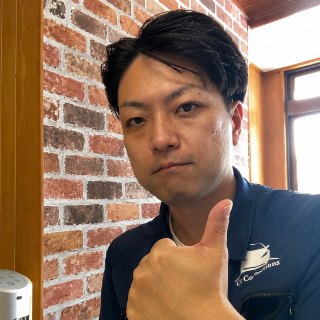
Information & editorial: SogaCar Connections Okinawa staff
A staff member of Car Connections Okinawa in Ageta, Okinawa City, assisting customers anxious about screening with choosing a used car and in-house loan consultations.
Related: the complete in-house loan guide / FAQ / contact us