
Stress-Free Used Car Buying in Okinawa: How to Smartly Acquire and Maintain a Vehicle, Even with Loa
industry
Enrich Your Car Life in Okinawa! Smart Used Car Selection and Reliable Maintenance Techniques
In Okinawa, a car is not just a mode of transportation; it's an essential part of daily life. From commuting, shopping, and taking children to school to weekend leisure activities, owning a car expands your world and makes everyday life significantly more convenient. However, buying a new car is a major investment, leading many to consider a used vehicle. In particular, some may worry about passing credit or loan company applications, thinking they might have to give up on owning a car altogether.
In this article, we will provide a detailed, expert explanation of key points to help you confidently acquire a used car and keep it for the long haul. We will cover everything from smart used car selection and the option of in-house financing to lower the purchasing hurdle, to the importance of post-purchase upkeep, including vehicle inspections, repairs, bodywork, painting, tires, and oil changes. We hope this serves as a helpful guide to support your comfortable car life in Okinawa.
- Reaffirm the necessity of cars in Okinawa and understand the benefits of used cars.
- Learn how even those with loan application anxiety can own a car.
- Learn proper maintenance methods after purchasing a used car.
Want a Car But Facing the Credit Hurdle? This is for You.
The car ownership rate among households in Okinawa is extremely high compared to many other prefectures, making it the primary means of transportation. For example, one survey showed that households of two or more people in Okinawa own approximately 1.5 cars per household, illustrating just how integral vehicles are to daily life. For this reason, many people who want or need a car unfortunately end up giving up on that dream for various reasons.
The Reality of Credit and Loan Company Applications
In most cases, financing is used for car purchases due to the large sum required. However, the screening processes of credit and loan companies are strict, and applications are often denied due to factors such as unstable income, past financial issues, or a short employment history. This creates a problem where those who truly need a car are shut out from the option of purchasing one.
- Screening criteria are diverse, with personal credit history having a significant impact.
- Being rejected once can raise a psychological barrier for future applications.
- Failing an application can affect one's quality of life and job opportunities.
Anxieties About Choosing a Used Car and Concerns Over Maintenance Costs
Furthermore, when choosing a used car, there are often concerns about quality, such as Can I really find a car in good condition? or Will it break down soon after purchase? There are also worries about upkeep costs, like How much will vehicle inspection fees and daily maintenance cost? While used cars have lower initial costs than new ones, inadequate post-purchase maintenance can sometimes make them more expensive in the long run.
These issues can be serious challenges for everyone who needs a car in Okinawa. However, there is no need to give up. In the next chapter, we will introduce concrete methods to solve these problems, allowing you to confidently acquire and maintain a used car for years to come.
- A lack of knowledge in assessing a used car's quality can lead to regret.
- It's crucial to understand post-purchase maintenance costs, like vehicle inspections and repairs, beforehand.
- Choosing a reliable dealership is the first step to alleviating anxiety.
Eliminate Loan Anxiety! Smart Used Car Selection and Reliable Post-Purchase Maintenance
Let's delve into concrete solutions to eliminate the anxieties of those who think, I need a car but can't get a loan, or I'm not confident in choosing a used car, and help you own a vehicle in Okinawa with peace of mind. Here, we will focus on and explain three particularly important points.
Achieve Your Dream of Owning a Car with the New Option of In-House Financing
For those worried about passing credit and loan company applications, in-house financing is a groundbreaking solution. In-house financing refers to a method where a dealership offers its own installment payment system, allowing you to purchase a used car without going through a loan company. This enables flexible screening and payment plans tailored to individual circumstances, free from the constraints of traditional loan criteria.
What are the Benefits of In-House Financing?
In-house financing offers the following advantages:
- Flexible Screening Criteria: It places more emphasis on your current income and ability to pay rather than past credit history, increasing the chances of approval even for those who have been denied by other loan companies.
- Speedy Procedures: Because it doesn't involve a loan company, the process from application to contract is relatively quick.
- Direct Negotiation with the Dealership: It's easier to create a manageable plan by directly discussing the payment period and number of installments with the dealership.
Used Car In-House Loan Car Connections Okinawa specializes in this very in-house financing. Born from a strong desire to offer the option of car ownership to those with credit-related anxieties, we propose a vehicle to support the lives and mobility of people in Okinawa through our flexible in-house financing system. With our unique installment plan that bypasses loan companies, we stand by those who had previously given up on purchasing a car, helping them start their car life in a manageable way.
- In-house financing is a ray of hope for those who had given up on buying a car.
- Since it focuses on current ability to pay, it offers a chance to many.
- You can consult with peace of mind as the dealership provides direct support.
Avoid Mistakes! Key Points for Smart Used Car Selection
Even if you can get a used car with in-house financing, it's all for nothing if you make a mistake in selecting the vehicle itself. To choose a car you can drive safely for a long time, keep the following points in mind.
Thoroughly Check the Vehicle's Condition
Every used car is in a different condition. Always inspect the actual vehicle before purchase and check the following items:
- Exterior Check: Look for major scratches, dents, and rust. Are there any signs of bodywork or painting? (This may indicate a history of repairs).
- Interior Check: Check for seat stains or tears, cigarette smells, and the operation of electronics (air conditioning, navigation, windows, etc.).
- Engine Bay Check: Look for oil or coolant leaks. Are there any unusual engine noises? It's also good if you can check the oil change history.
- Mileage and Year: A car with over 100,000 km may soon require replacement of consumable parts. As a general rule, an annual mileage of around 10,000 km is often considered reasonable. Newer models tend to have less deterioration.
- Accident History: A car that has had damage to its frame and has been repaired is called an accident-repaired vehicle. These cars tend to be cheaper, but they may have issues with driving performance or safety, so be sure to get a full explanation and proceed only if you are satisfied.
A reliable dealership should explain this information carefully. It is important to choose a store like Used Car In-House Loan Car Connections Okinawa, which is dedicated to customer support and transparent information sharing.
Confirm Ride Comfort and Safety with a Test Drive
By actually driving the car, you can get information that can't be found in catalogs or just by looking, such as the feel of the steering, the effectiveness of the brakes, the engine's acceleration, and the presence of unusual noises. If possible, test drive at various speeds and on different road conditions to see if it suits your driving style.
- A test drive is a crucial step to check the compatibility between the car and the driver.
- Pay attention to information you perceive with your senses, like unusual noises, vibrations, and brake feel.
- It's essential to ask the dealership staff about any concerns immediately to resolve your doubts.
The Basics of Post-Purchase Maintenance for Peace of Mind
To drive a used car safely for a long time, proper post-purchase maintenance is essential. Pay special attention to the following points.
Regular Vehicle Inspections and Check-ups
The vehicle inspection (Shaken) is a periodic vehicle check mandated by law. It must be done 3 years after a new car purchase and every 2 years thereafter. The typical cost for a vehicle inspection is around ¥50,000-¥100,000 for a kei car and ¥70,000-¥150,000 for a standard car, with the cost varying depending on the car's type, age, mileage, and the need for repairs or part replacements. During the inspection, a wide range of items, including brakes, engine, and exhaust gas, are checked to ensure they meet safety standards.
In addition to the mandatory inspection, semi-annual and daily check-ups are also important. These allow you to spot minor issues early and get them repaired before they lead to major breakdowns. For example, simple checks like burnt-out headlights, washer fluid levels, and tire pressure can significantly improve safety.
- The vehicle inspection is essential for safe driving, and costs vary by car type and condition.
- Regular check-ups are a preventive measure against unexpected major repairs.
- Frequent checks are especially recommended as Okinawa's harsh climate puts stress on vehicles.
Proper Replacement and Maintenance of Consumable Parts
A car has many consumable parts, and replacing them at the right time is key to maintaining performance and extending the car's lifespan.
- Engine Oil and Oil Filter: These are essential for the engine to run smoothly. The general recommendation is every 5,000 km or every 6 months. Regular oil changes extend engine life and prevent poor fuel economy.
- Tires: One of the most important parts for safe driving. A car's tires are recommended to be replaced after about 30,000-50,000 km or 5 years of use. Regularly check for cracks and tread wear. Driving on worn tires increases the risk of skidding accidents and punctures.
- Battery: Supplies power to start the engine and run electronics. The lifespan is about 2-5 years. The hot climate in Okinawa puts a greater strain on batteries, so regular checks and early replacement are recommended for peace of mind.
- Brake Pads: These are consumable parts, and as they wear down, braking performance deteriorates. If you notice unusual noises or changes in the pedal feel, it's time for an inspection.
Neglecting to replace these consumables and perform inspections can lead to unexpected trouble and costly repair bills. Pay attention to your car's condition daily, and consult a professional early if you notice anything unusual.
- Regular oil changes are directly linked to maintaining engine performance.
- The condition of your tires is particularly important for safety in rainy Okinawa.
- Understand the replacement schedule for consumables and act at the appropriate time.
Repairs and Body Care for Unexpected Situations
If your car gets scratched or dented in an accident or due to carelessness, bodywork and painting repairs will be necessary. It's not just a cosmetic issue; leaving it can cause rust to form, shortening the car's lifespan.
- Bodywork: The repair process of returning dents and distortions on the car's body to their original shape.
- Painting: The process of repainting the area after bodywork repair or where scratches have occurred to maintain a beautiful appearance.
By hiring a professional service, you can expect a beautiful finish like that of a new car. Additionally, regular body care such as washing and waxing is a secret to preventing paint deterioration and making your car last longer.
- It's crucial to get even small scratches and dents repaired early with bodywork and painting.
- Regular body care maintains the car's beauty and helps preserve its asset value.
- Choosing a reliable repair shop affects the satisfaction with the final result.
Getting a Used Car in Okinawa! Practical Steps for Peace of Mind
So far, we've looked at key points for choosing a used car, using in-house financing, and post-purchase maintenance. Here, we'll introduce the concrete, practical steps for actually getting a car and enjoying a comfortable car life.
Step 1: Clarify Your Situation and Needs
First, organize your thoughts on what kind of car you need and what anxieties you have about the purchase.
- Determine Car Use and Budget: Will you use it for daily commuting, or mainly for weekend shopping and leisure? Consider your family structure and lifestyle to decide on the type of car you need, such as a kei car, compact car, or SUV. Next, decide on a budget you can comfortably afford. Even when considering in-house financing, it's important to set a maximum monthly payment amount.
- Be Honest About Loan Application Anxiety: If you're worried about passing credit or loan company applications, be upfront about it with the dealership you're considering. A store that offers in-house financing, like Used Car In-House Loan Car Connections Okinawa, should be able to provide a sympathetic consultation.
- Consider Post-Purchase Upkeep Costs: It's wise to consider not only the vehicle's price but also annual automobile taxes, compulsory liability insurance, voluntary insurance, gas, and maintenance costs like vehicle inspections, repairs, tires, and oil changes when setting your budget. For example, owning a kei car in Okinawa can be expected to cost around ¥100,000-¥200,000 annually, even excluding gasoline.
- Move beyond a vague I want a car and organize your specific needs.
- When setting a budget, it's crucial to include not just the vehicle price but also upkeep costs.
- Being open about your situation when consulting a dealership is the first step in building a relationship of trust.
Step 2: Choose a Reliable Dealership
One of the most important factors in choosing a used car is selecting the right dealership. Especially if you are considering in-house financing, the store's reliability is directly linked to your peace of mind after the purchase.
- Check for In-House Financing Availability: First, confirm whether they offer in-house financing. Dealerships that clearly advertise in-house financing on their websites or in ads, like Used Car In-House Loan Car Connections Okinawa, are confident in their system.
- Thorough Explanations and Transparency: Choose a dealership that will patiently explain everything to your satisfaction, including the vehicle's condition, repair history, in-house financing terms (if they cannot provide information on interest/fees, confirm the total payment amount, monthly payments, and number of payments), and post-purchase warranties and after-sales service.
- A Customer-Centric Attitude: Whether the staff empathizes with those who have application anxieties, explains technical terms in simple language, and communicates in a trustworthy tone is also an important criterion.
- Whether a dealership offers in-house financing is the first thing you should check.
- You should demand transparent explanations of vehicle information and contract details.
- Choosing a dealership that offers sympathetic consultation will allow you to purchase with confidence.
Step 3: Inspect the Vehicle, Sign the Contract, and Take Delivery
Once you've chosen a dealership, inspect the car you want and proceed to the final purchase.
- Detailed Vehicle Check and Test Drive: Referring to the Key Points for Smart Used Car Selection section above, check the actual car thoroughly and be sure to take it for a test drive. If you have any concerns, ask questions on the spot to resolve them.
- Confirm Contract Details: Make a final check of the contract, including the vehicle price, in-house financing plan, post-purchase warranty details, and the process up to delivery. Don't hesitate to ask about anything you don't understand, and only proceed to sign after you comprehend everything.
- Delivery and Title Transfer: Once the contract is finalized and payments begin, the car will be delivered. The dealership usually handles procedures like the title transfer, but you should confirm that the car is registered in your name.
- Inspecting the actual car and taking a test drive are the most critical final steps in car selection.
- Be careful not to sign a contract without understanding its contents.
- After taking delivery, start practicing safe driving immediately.
Step 4: A Smart Post-Purchase Maintenance Plan
Once you have your car, daily maintenance is crucial. A planned approach to care will keep your car comfortable for a long time.
- Track Your Vehicle Inspection Schedule: Mark the date of your next vehicle inspection on a calendar and start saving for the cost. As the date approaches, it's a good idea to consult your dealership or a repair shop early for an estimate.
- Make Daily Checks a Habit: Make it a habit to perform simple checks once a week, such as tire pressure, engine oil level, coolant level, and light operation. Noticing abnormalities early can prevent major repairs.
- Manage Consumable Replacements: Keep a record of the recommended schedules for engine oil changes, tire replacements, battery changes, etc., to ensure you can replace them at the appropriate time.
- When Bodywork/Painting is Needed: Don't ignore even small scratches or dents; consult a professional early. Prompt action is the secret to extending your car's life and keeping it looking beautiful.
- It's important to plan and save for vehicle inspection costs in advance.
- Daily checks are essential for understanding your car's health.
- Manage the replacement cycle of consumables and perform appropriate maintenance.
Enjoy a Worry-Free Car Life in Okinawa! Choosing a Used Car for Your Future
In Okinawa life, a car is an irreplaceable partner. Its presence is invaluable, whether for commuting, shopping, family drives, or as a means of transport in an emergency. However, many people have likely given up on purchasing a car after failing credit or loan company applications in the past.
This article has provided a wide range of information, from the importance of choosing a used car to the solution of in-house financing that overcomes the barrier of traditional loans, and key points on post-purchase upkeep such as vehicle inspections, repairs, bodywork, painting, tires, and oil changes.
Used Car In-House Loan Car Connections Okinawa operates with the mission to deliver the option of purchasing a car to everyone who needs one, offering a flexible system of in-house financing (self-installment payments) that bypasses loan companies. We hope to help everyone with application anxieties acquire a used car with manageable payments and enjoy a comfortable car life in Okinawa.
Choosing a used car is more than just a purchase. It's an investment to enrich your future life and a major step towards gaining peace of mind and freedom. We hope the information presented in this article serves as a compass for you to wisely choose and lovingly use a used car for a long time.
If you feel, I want a car, but I'm worried about the application... please don't hesitate to consult with Used Car In-House Loan Car Connections Okinawa. As a business rooted in the Okinawa region, where a car is a necessity, we provide flexible purchasing methods that cater to those with application anxieties and will strongly support your car life. Confidently acquire a used car and start your new life in Okinawa.
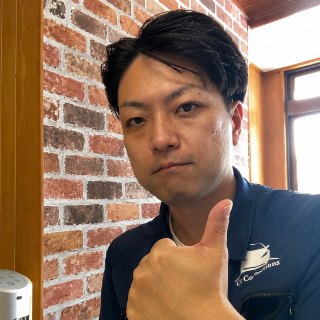
Information & editorial: SogaCar Connections Okinawa staff
A staff member of Car Connections Okinawa in Ageta, Okinawa City, assisting customers anxious about screening with choosing a used car and in-house loan consultations.
Related: the complete in-house loan guide / FAQ / contact us