
Worry-Free Driving in Okinawa: Tips for Long-Lasting Used Car Maintenance
industry
Supporting Your Car Life in Okinawa! The Importance of Used Car Maintenance
In Okinawa, a car is more than just a means of transportation. From commuting, shopping, and school runs to weekend leisure, it's an indispensable part of our daily lives. For those considering a used car or who already own one, post-purchase maintenance and running costs are major concerns and can sometimes be a source of anxiety.
Won't a used car break down right away? How much will the vehicle inspection cost? What parts need care, and how?
These questions and concerns are completely natural. But rest assured. With the right knowledge and a little bit of care, a used car can be driven safely for just as long as a new one. In fact, smart maintenance can prevent unnecessary expenses, ultimately being kinder to your household budget.
This column focuses on practical maintenance tips to help you cherish and drive your used car for a long time. We will provide easy-to-understand, useful information on key topics such as vehicle inspections, tires, oil changes, and unexpected repairs, bodywork, and painting. Sprinkled with advice tailored to Okinawa's environment, we'll share the secrets to ensuring your beloved car remains a reliable partner for years to come.
The Pitfalls of Used Car Maintenance: Overlooked Problems and Solutions
You might be thinking, Maintenance is something I only need to worry about during the vehicle inspection. However, for a used car owner, this mindset can be a major pitfall. Neglecting routine maintenance can allow small issues to develop into major failures, leading not only to costly repairs but also increasing the risk of an accident.
Why is Maintenance So Important?
- Ensuring Safety: Poor brake performance or worn-out tires significantly increase the risk of an accident. Regular checks are essential to protect yourself and your loved ones.
- Maintaining Affordability: Degraded engine oil or low tire pressure leads to poor fuel economy. Furthermore, ignoring minor noises or vibrations can eventually require major repairs, turning a potential few hundred-dollar fix into a several thousand-dollar expense.
- Extending Your Car's Lifespan: Regular maintenance reduces stress on various car parts and slows down overall deterioration. This allows you to enjoy driving your car comfortably for much longer.
- Maintaining Environmental Performance: Proper maintenance of systems like the emissions control device also helps reduce your environmental impact.
Used cars, in particular, have been on the road longer than new ones, so you must consider the possibility of advanced component wear. It can be difficult to know exactly how a previous owner drove or maintained the vehicle. That's why it's even more crucial for you, the current owner, to understand basic maintenance and pay close attention to your car's condition.
By learning the specific maintenance tips we're about to share, you can transform your anxiety about owning a used car into the confidence that comes with knowing it's safe and reliable.
Smart Maintenance Tips to Drive Your Car Safely for Years to Come
A little bit of daily attention and regular maintenance are crucial for driving a used car with peace of mind for a long time. Okinawa's climate, with its salty air causing rust and strong sun causing deterioration, can be particularly harsh on vehicles. But don't worry. By following the points below, your car will surely become your most trusted companion.
Preparing for and Navigating Vehicle Inspections Smartly
The mandatory vehicle inspection (shaken) required to drive on public roads in Japan is a critical test to ensure vehicle safety and prevent pollution. Many used car owners feel anxious about their first inspection after purchase. However, by preparing with a few key points in mind, you can avoid unnecessary expenses and pass the inspection with confidence.
- Don't Let Your Inspection Expire! It's standard to have your vehicle inspected within one month of its expiration date. Driving on public roads with an expired inspection is illegal and subject to penalties. It also carries risks, such as your insurance not covering you in an accident. Cases of accidents involving cars with expired inspections leading to major trouble are not uncommon in Okinawa.
- Check the Inspection and Maintenance Record Book: Understanding past maintenance records helps you anticipate which areas need a closer look. It also gives you an idea of how well the previous owner cared for the car.
- Perform Thorough Daily Checks: Simply checking things you can manage yourself before the inspection—like lights, wiper operation, and tire pressure—can prevent an unexpected failure and save you the time and cost of a re-inspection. Many issues can be preemptively caught with routine checks.
For a standard passenger car, the cost of a vehicle inspection is divided into statutory fees (compulsory liability insurance, weight tax, and administrative fees) and basic inspection fees (inspection and service charges). Statutory fees are the same nationwide, but basic fees can vary greatly depending on the service provider and the car's condition. Even within Okinawa, prices can differ by thousands of yen between providers. We strongly recommend getting quotes from multiple shops beforehand.
Essential Consumable Replacements to Make Your Used Car Last: Tires and Oil Changes
To maintain your car's performance and ensure safe driving, regular replacement of consumable parts is essential. In particular, tires and oil changes are critical maintenance items that directly impact your car's lifespan and performance.
Check Your Tire Health!
- Tread Depth: As tire tread wears down, grip in rainy conditions decreases, making skids more likely. The legal minimum tread depth is 1.6mm, but for safety, consider replacing them at around 3-4mm. Tires wear down with friction, and it's said that for average driving, tread depth decreases by about 1mm per 10,000 km.
- Air Pressure: Maintaining proper air pressure improves fuel economy, extends tire life, and ensures safe driving. Make it a habit to check your tire pressure once a month. Data shows that continuously driving with tire pressure 50kPa below the recommended level can worsen fuel economy by approximately 2.5%. You can easily check it at gas stations.
- Cracks and Uneven Wear: Check for cracks on the tire sidewalls and for uneven wear on one side of the tire. If left unattended, these issues can lead to dangerous situations like a blowout.
Okinawa's strong sunlight tends to accelerate the deterioration of tire rubber. Daily care, such as parking in the shade or using tire wax, can also be effective.
The Role of Engine Oil and When to Change It
- The Role of Engine Oil: Engine oil performs several crucial functions: lubrication, cooling, cleaning, rust prevention, and sealing. It is often compared to the blood in the human body.
- When to Change: It is generally recommended to change the oil every 3,000km to 5,000km, or once every six months. The ideal interval varies depending on the engine type and driving conditions (e.g., mostly city driving vs. highway driving). With the frequent short-distance trips common in Okinawa, you'll often reach the time-based interval first.
- Don't Forget the Oil Filter: The oil filter removes impurities from the engine oil and should typically be replaced every other oil change.
Continuing to use degraded engine oil can lead to poor fuel economy and, in the worst case, catastrophic failures like engine seizure. Regular oil changes can significantly extend the life of your engine.
Early Detection is Key! Signs and Solutions for Repairs, Bodywork, and Painting
Minor issues and scratches are an unavoidable part of owning a used car. However, addressing them early instead of ignoring them is the secret to keeping repair costs down and maintaining your car's appearance and value.
The Ability to Notice Something's Different
You can perceive changes in your car with your senses.
- Sound: Unusual noises from the engine (rattling, squealing), squeaking when you brake, or clattering over bumps.
- Vibration: The steering wheel or car body shakes abnormally, or there's a shudder when braking.
- Smell: A burning smell, the scent of gasoline, or a sweet smell (coolant leak).
- Dashboard Lights: Check if any warning lights, like the check engine light or ABS light, are on.
- Driving Feel: Brakes feel less effective, the steering pulls to one side, or acceleration is sluggish.
If you notice any of these signs, the most important thing is to have it inspected promptly instead of dismissing it as nothing.
Bodywork and Painting for Small Scratches and Dents
Body panel work and painting are important not only for maintaining your car's appearance but also for preventing rust. Okinawa's salty air makes it an environment where rust can easily spread from small scratches.
- The Danger of Ignoring Scratches: A scratch that has chipped the paint exposes the metal underneath to rain and salt air, causing it to rust. What starts as a small dot can spread over a wide area, potentially requiring a major repair like replacing the entire body panel.
- Early Touch-Ups: For very small stone chips, a temporary fix with a store-bought touch-up pen is possible. However, for deep scratches or larger dents, consult a professional.
- A Professional Eye: A professional shop can suggest the best repair method based on the depth and extent of the damage. Bodywork and painting require skill, and a DIY attempt can sometimes make the problem worse.
It's not uncommon for a repair that would have cost a few hundred dollars to balloon into a multi-thousand-dollar expense a few years later because a small scratch was ignored.
Using a Professional Shop Wisely for a Worry-Free Car Life
Car maintenance and repairs require specialized knowledge and skills. It's difficult to do everything yourself, and you could even cause more problems. Having a trusted professional shop, like a family doctor for your car, is crucial for a worry-free driving experience.
Tips for Choosing a Shop
- Clear Explanations: A shop that explains things in an easy-to-understand way, rather than just using jargon, is trustworthy. Check if they clearly explain why a repair is needed and provide a breakdown of the costs.
- Transparent Estimates: Always get a detailed estimate before commissioning any repairs or inspections. Getting quotes from multiple shops to compare is also a smart strategy.
- Track Record and Reputation: Look at their local track record and customer reviews. Feedback from actual customers is valuable information for gauging a shop's reliability.
- After-Sales Follow-Up: A shop that offers a warranty on repairs and reminds you about your next inspection can become a long-term partner.
For used cars, it's especially recommended to have a thorough inspection done shortly after purchase. If you have any concerns, consult the dealership or a trusted mechanic. This will help you understand the car's condition and plan future maintenance.
Special Support for Our In-House Loan Customers
At Car Connections Okinawa, we operate under the mission to provide a car ownership option for everyone who needs one. We place great importance on post-sales support so our customers can enjoy a worry-free car life. For customers who purchase through our in-house loan program, we offer meticulous support, including consultations on vehicle maintenance and referrals to trusted repair shops. If you ever have any trouble with your car, please don't hesitate to contact us. Our knowledgeable staff will listen to each customer's situation and provide the best possible advice.
In Practice! A Car Maintenance Checklist and Smart Money Management
Based on what we've covered, here is a helpful checklist for daily maintenance and some tips for managing costs wisely. With regular checks and planned finances, you can avoid being caught off guard by sudden expenses and enjoy a comfortable car life.
The Essential Daily Inspection Checklist
- Once a Month or Before a Long Drive:
- Check tire pressure (confirm the recommended level)
- Check engine oil level and condition
- Check coolant level
- Check washer fluid level
- Check brake fluid level
- Check battery fluid level (for non-maintenance-free types)
- Once a Week or When Refueling:
- Check that all lights, turn signals, and hazard lights are working
- Check wiper operation and rubber condition
- Check tire tread depth and for any cracks
- Clean windows
- Before Driving:
- Visually inspect the area around the car for any abnormalities (oil leaks, flat tires, etc.)
- Fasten and adjust your seatbelt
- Confirm that all warning lights on the dashboard turn off after starting
Making these checks a habit will help you spot minor issues early, preventing major troubles and costly repairs. While professional inspections are crucial, your own daily observations are also extremely important.
Tips for Managing Maintenance Costs Wisely
- Set Aside a Maintenance Fund: We recommend setting aside a fixed amount each month for car maintenance. For example, saving 5,000 yen a month adds up to 60,000 yen a year. This fund will help you handle sudden repairs or inspection costs without panic.
- Keep a Record: Log the history of your oil changes, tire replacements, inspections, and repairs. Knowing when, what, where, and for how much you had work done makes it easier to predict when the next maintenance is due.
- Compare Multiple Estimates: For expensive work like bodywork, painting, or major repairs, always get estimates from multiple shops to compare the service and price. It's important to consider not just the cost, but also the clarity of their explanation and their overall trustworthiness.
- Use Used Parts: For some components, using used or rebuilt parts can help reduce costs. Discuss this option with a trusted shop.
With proactive management and information gathering, you can drive a used car for a long time with confidence. Since a car is an essential mode of transport in Okinawa, maintaining it wisely is ultimately kinder to your household finances.
Conclusion: Building a Relationship of Trust with Your Car Through Maintenance
For a comfortable car life in Okinawa, proper used car maintenance is the surest way to ensure safety and avoid unexpected expenses. From preparing for your vehicle inspection to managing daily consumables like tires and oil, and promptly addressing repairs, bodywork, or painting when you feel something's different, each small action adds up to extend your car's life and enrich your own.
Car Connections Okinawa provides a car ownership option for those who are anxious about traditional credit loan applications, delivering a vehicle that supports the mobility and lives of people in Okinawa. We are committed to providing meticulous post-purchase support, including maintenance consultations and partnerships with trusted professional shops, so that our customers can enjoy their car life with peace of mind.
We hope this column helps alleviate your anxieties about your car life and deepens the bond of trust you have with your vehicle. If you have any questions or concerns about your car, please feel free to consult with us anytime. We are here to support each and every one of our customers in achieving a safe and secure car life. Now, with smart maintenance, go ahead and enjoy driving the roads of Okinawa to your heart's content!
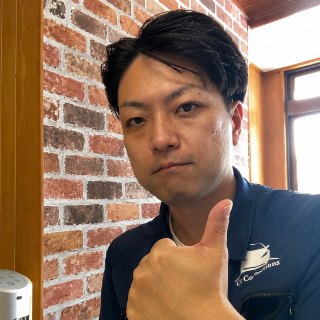
Information & editorial: SogaCar Connections Okinawa staff
A staff member of Car Connections Okinawa in Ageta, Okinawa City, assisting customers anxious about screening with choosing a used car and in-house loan consultations.
Related: the complete in-house loan guide / FAQ / contact us