
Extending the Life of Your Car in Okinawa: Smart Maintenance Secrets
industry
How to Cherish and Extend the Life of Your Beloved Car in Okinawa
In Okinawa, a car is an indispensable form of transportation, an essential part of daily life. From commuting and shopping to weekend leisure, it's a partner that enriches our lives. For those of you who have started a new chapter with a car from 'Used Car In-House Loan Car Connections Okinawa,' there might be a special attachment to the vehicle you finally obtained after overcoming credit loan screening hurdles. We sincerely hope that you can continue to drive your beloved car on the roads of Okinawa for a long, safe, and worry-free time.
However, owning a car doesn't end with the purchase. To maintain a pleasant driving experience, regular and proper maintenance is essential. While 'maintenance' might sound technical and difficult, there's no need to worry. With a little knowledge and care, you can significantly extend your car's lifespan and, as a result, save on unnecessary expenses.
In this column, we'll provide easy-to-understand basic maintenance knowledge and smart tips to help your cherished car last longer. Let's cultivate the habit of 'caring for your car' together, so you won't have to panic about vehicle inspections or unexpected troubles.
The High Cost of Overlooking Minor Issues
It's probably fine. I'll just wait and see a little longer. — Have you ever thought this when you noticed something slightly off with your car? The truth is, these often-overlooked 'minor issues' frequently lead to major problems and expensive repair bills down the road.
Why Are Minor Issues Dangerous?
- Increased Repair Costs: For example, neglecting an engine oil change can cause internal parts to wear down, eventually requiring an engine overhaul or replacement—a repair that can cost thousands of dollars. Ignoring a small, unusual noise until it becomes a major failure can easily lead to repair bills costing hundreds, if not thousands, of dollars.
- Impact on Safety: Continuing to drive with poorly performing brakes or worn-out tires is extremely dangerous and can lead directly to unexpected accidents. Especially during Okinawa's sudden squalls and on wet roads, a poorly maintained vehicle is more likely to hydroplane, potentially causing a serious accident.
- Risk of Failing Vehicle Inspections: Cars must undergo a mandatory vehicle inspection (shaken) every two years (three years for the first inspection of a new car) to ensure they meet national standards. Neglecting routine maintenance can cause your car to fail this inspection, leading to sudden repair costs or, in the worst-case scenario, an expired inspection that makes it illegal to drive on public roads.
- Worsening Fuel Economy: Poor maintenance of engine oil, tire pressure, air filters, and more will definitely hurt your car's fuel efficiency. For instance, tire pressure that is just 10% below the recommended level can worsen fuel economy by about 2-5%. This directly translates to spending more on gasoline.
These are consequences that everyone, especially those wanting to manage their household budget carefully, would want to avoid. That's why preventative maintenance is crucial to protecting your safe and economical car life. In the next section, we'll look at what specific maintenance you should be doing.
Smart Maintenance Tips for a Long-Lasting Relationship with Your Car
So, what specific maintenance should you perform to keep your beloved car running well for a long time? Here are some smart maintenance tips from 'Used Car In-House Loan Car Connections Okinawa.'
1. The Lifeblood of Your Car! Regular Engine Oil and Oil Filter Changes
Engine oil is like the blood of your car. It ensures the engine runs smoothly and performs crucial roles like cooling, cleaning, and rust prevention. If the oil becomes dirty or deteriorates, it can lead to reduced engine performance, poor fuel economy, and even engine failure.
- Recommended Change Interval: Generally, it's recommended to change the oil every 3,000 to 5,000 km, or once every six months. In environments like Okinawa with high heat and humidity, or if you frequently make short trips, you might consider changing it a bit sooner. We also recommend replacing the oil filter with every other oil change.
- Benefits:
- Extends engine life.
- Improves fuel economy, saving you money on gas.
- Maintains engine performance for a smooth ride.
- Increases the likelihood of passing the emissions test during a vehicle inspection.
- Self-Check: You can check the oil level and condition using the dipstick in the engine bay. If the oil is dark and cloudy or the level is extremely low, it's a sign that it needs to be changed.
2. The Key to Safety and Fuel Economy: Checking Your Tires
The tires are the only part of your car that makes contact with the road. Their condition significantly affects not only driving safety but also fuel efficiency.
- Tire Pressure Check: Check your tire pressure at least once a month. The correct pressure is usually indicated on a sticker inside the driver's door or on the fuel filler flap. Low tire pressure not only worsens fuel economy but also increases the risk of uneven wear and blowouts.
- Tread Depth and Cracks: When the tread depth becomes shallow, grip on wet roads decreases, making it easier to slip. When the tread depth is 1.6 mm or less, wear bars will appear, which is not only a reason to fail the vehicle inspection but also extremely dangerous. Also, check for cracks on the sidewalls. The strong Okinawan sun can accelerate rubber deterioration.
- Tire Rotation: Regular tire rotation (switching the positions of the tires) helps prevent uneven wear and extends their life. It's a good idea to do this every 5,000 to 10,000 km.
- General Lifespan: The typical lifespan of a tire is said to be 30,000 to 50,000 km, or about 3 to 5 years.
3. For Long-Term Peace of Mind: Battery and Coolant
A sudden dead battery is one of the most inconvenient car troubles. Likewise, coolant plays a vital role in preventing your engine from overheating.
- Battery Inspection: The average lifespan of a battery is 2 to 5 years, but Okinawa's hot climate tends to put more strain on them. Regularly check the battery fluid level (for non-sealed types) and look for corrosion on the terminals. Be mindful that cars with many electronic accessories or an auto start-stop system put a greater load on the battery.
- Coolant Check: Check the reserve tank to see if the coolant level is low. If it is, you'll need to top it off. Coolant, also known as 'LLC (Long Life Coolant),' is typically recommended for replacement every two years, although longer-lasting types have become more common recently.
4. Protecting Your Life: Regular Brake Inspections
Brakes are one of the most critical safety components of a car. If you notice any issues, they need to be inspected and repaired immediately.
- Brake Performance: Pay attention to how the brake pedal feels when you press it (is it spongy or unusually hard?), and listen for strange noises (like squeaking, screeching, or grinding sounds).
- Brake Fluid: Brake fluid also deteriorates over time. It is typically recommended to be replaced with every vehicle inspection (every 2 years).
- Brake Pads/Discs: Worn brake pads are a critical safety issue. If the pads wear down too much, they can damage the disc rotors, leading not only to expensive repairs but also increasing your stopping distance, which is extremely dangerous.
5. Other Important Checks and Vehicle Inspection Preparation
Beyond the items above, there are other areas to check regularly.
- Lights: Check that all lights—headlights, taillights, turn signals, and brake lights—are working correctly. A burned-out bulb will cause you to fail the vehicle inspection.
- Wiper Blades: If your wipers aren't clearing the windshield properly, it can be dangerous in rainy weather. Replace them if the rubber is worn or they leave streaks. Okinawa's intense sun and salt-laden air can speed up rubber deterioration.
- Washer Fluid: Essential for cleaning a dirty windshield. Check the level and refill as needed.
- Body Bodywork and Painting: Even small scratches and dents can lead to rust if left unattended. Given Okinawa's salty air, addressing these issues early will help extend your car's life.
- Preparing for Vehicle Inspection: The vehicle inspection is a crucial opportunity to confirm your car's safety. By keeping up with the maintenance mentioned above, you can reduce the risk of needing major repairs at inspection time. It's a good idea to re-check your car's condition about a month before the inspection and consider any necessary servicing. Keep in mind that in addition to servicing costs, there are mandatory fees for the inspection itself, so it's wise to budget accordingly.
Actionable Steps to Make Your Car Last Longer, Starting Today!
Car maintenance doesn't have to be overwhelming. You don't need to do everything perfectly at once. By starting with simple habits, you'll gradually become more attuned to your car's condition and be able to spot issues early. Here are some simple steps you can start practicing today.
- Read the Owner's Manual: Your car's owner's manual contains detailed information on daily checks, recommended maintenance schedules, and the meanings of warning lights. Start by skimming through it to understand your car's specific needs.
- Make Daily Checks a Habit: Get into the habit of performing a quick check that takes just a few minutes before you drive.
- Visually check the tires (are they noticeably flat?).
- Confirm that all lights are working.
- Check the washer fluid level and the condition of the wipers.
- Listen for unusual noises when starting the engine and check that no warning lights are on.
- Use a Maintenance Log: Most cars come with a maintenance record book. Keeping a record of when and what service was performed makes it easier to track when the next maintenance is due. Even your own notes are sufficient.
- Get Regular Professional Inspections: There's a limit to what you can check on your own. By using opportunities like semi-annual check-ups or the mandatory vehicle inspection, you can have a professional mechanic check your car regularly. This helps detect potential problems early and prevent future repairs.
- Be Mindful of Your Budget: Owning a car involves not just fuel and insurance costs but also maintenance and inspection expenses. It's important to include these car ownership costs in your monthly budget planning.
By implementing these steps, your car will surely meet your expectations and provide you with a long and comfortable driving experience.
A Message from Used Car In-House Loan Car Connections Okinawa
'Used Car In-House Loan Car Connections Okinawa' is dedicated to providing the option of car ownership to those who have concerns about passing credit or financing company loan screenings. We sincerely hope that the precious car you've acquired becomes your essential transportation in Okinawa and enriches your daily life.
The maintenance knowledge we've shared today is fundamental to a long relationship with your car. By paying attention to your vehicle and noticing small issues, you can prevent major problems and avoid expensive repairs or unexpectedly failing a vehicle inspection.
We are here to support you in enjoying a worry-free car life. If you have any questions or concerns, please don't hesitate to contact us. We hope your comfortable Okinawan car life continues for many years to come.
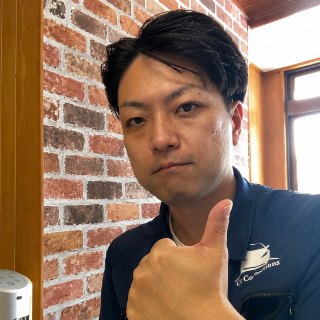
Information & editorial: SogaCar Connections Okinawa staff
A staff member of Car Connections Okinawa in Ageta, Okinawa City, assisting customers anxious about screening with choosing a used car and in-house loan consultations.
Related: the complete in-house loan guide / FAQ / contact us