
Essential Maintenance Tips for Used Car Owners: Extend Your Car's Life
industry
Peace of Mind in Okinawa! Basic Maintenance Knowledge for Cherishing Your Car for Years to Come
Hello from Okinawa! We're Car Connections Okinawa, your specialists in in-house loans for used cars. On this beautiful island, a car is an indispensable part of life. It's our trusted partner for commuting, taking children to school, weekend outings, and last-minute shopping trips, supporting our daily routines.
If you've just purchased a used car or are considering one, you might be wondering, I have the car, but what do I do about upkeep? For those who bought their car with a loan, maintenance costs are a major concern that directly impacts the household budget. That's why today, from a professional standpoint, we're going to clearly explain the maintenance basics you need to know to enjoy a long and comfortable life with your beloved vehicle.
Our mission is to provide purchasing options to everyone who needs a car, and we do so by offering flexible in-house loans here in Okinawa. Our greatest wish is for you to enjoy a secure and worry-free car life even after you've made your purchase. We hope this column will be of some help as you think about how to care for your car.
Alleviating the Maintenance Anxiety Common Among Used Car Owners
While used cars offer the significant advantage of lower initial costs compared to new ones, it's also true that they can bring anxieties like, How long will it last? What if it breaks down? and I'm worried about repair costs... For those who were concerned about passing a credit company's screening due to their payment history, the cost of upkeep after finally getting a car is an even bigger point of concern.
In our experience, many people have the following worries about maintenance:
- Car terminology is difficult, and I don't know what's important.
- I don't know the guidelines for when to inspect or replace parts.
- I can't tell if the estimates for repairs or inspections are fair.
- I'm afraid of unexpected expenses straining my budget.
- I'm concerned about the effects of Okinawa's climate (salt air and strong sun) on my car.
To resolve these anxieties and maintain your car with confidence, basic knowledge and systematic preparation are essential. In this column, we will help turn your worries into peace of mind by clearly explaining specific maintenance points.
Solution 1: Vehicle Inspections Are More Than a Hurdle—They’re a Vital Health Check for Your Car
The mandatory vehicle inspection (known as shaken in Japan) is a legally required periodic health check for your car. While many tend to see it as a hassle or a major expense, it should be viewed as a crucial opportunity to ensure your car's safety and keep it on the road for a long time.
What is a Vehicle Inspection? A Refresher on Its Purpose
The main purposes of the vehicle inspection are as follows:
- Ensuring Safety: It confirms that the car meets safety standards by checking components like brakes, lights, and tires to ensure they don't hinder driving. A well-maintained vehicle is essential for navigating Okinawa's complex roads and traffic conditions safely.
- Pollution Prevention: It checks whether the vehicle meets environmental standards for exhaust gas and noise levels. This is important for protecting Okinawa's beautiful environment.
- Clarifying Ownership: It verifies that the vehicle is legally registered and being used correctly.
A car that does not pass the inspection cannot be legally driven on public roads. In other words, the inspection is not just a milestone to pass; it's a valuable chance for an expert to check that your car is in a safe driving condition.
Tips for Making the Most of Your Vehicle Inspection
Here are a few tips to make the most of your inspection and avoid unnecessary expenses:
- Consider an Early Check-up: It's a good idea to get a free preliminary inspection a few months before your inspection is due. If you find issues early, you'll have time to budget for repairs and carefully choose a reliable repair shop.
- Compare Estimates: Getting quotes from multiple shops is very important. However, don't just compare prices. Also, consider the inspection items, the parts being replaced, and whether a maintenance warranty is included. Finding a trustworthy shop in Okinawa leads to long-term peace of mind.
- Prioritize Repairs: It's important to distinguish between maintenance that is essential to pass the inspection and work that is not urgent but may be needed in the future. Prioritize based on your budget and aim for planned, manageable maintenance.
Especially with older used cars, it's crucial to stay aware of your car's condition and take proactive measures.
Okinawa's Environment and Vehicle Inspections
Okinawa's environment includes several factors that can accelerate a car's deterioration. In particular, rust caused by salt-laden air requires more attention than on the mainland. During an inspection, the condition of the undercarriage rust is checked thoroughly. By being mindful of Okinawa-specific care—such as washing your car frequently and applying anti-rust treatment if possible—you can reduce repair costs at inspection time and keep your car in good condition for longer.
Solution 2: The Importance of Routine Checks and Replacing Consumables—Get in the Habit of Listening to Your Car
The mandatory inspection is every two years, but your car is running every day. Simple daily checks and timely replacement of consumable parts can significantly extend your car's lifespan and are essential for preventing unexpected trouble and costly repairs. Adopting the habit of listening to your car is the first step to becoming a smart owner.
Tires: Your Lifeline and Only Connection to the Road
Tires are the only parts of your car that connect with the road, making them directly linked to your safety. In Okinawa's harsh conditions, such as sudden rain and high summer road temperatures, tires are constantly under stress.
- Check Air Pressure: Check your tire pressure at a gas station at least once a month. Proper pressure is essential for better fuel economy (data shows it can improve by about 3-5%), preventing uneven tire wear, and, most importantly, safe driving. Insufficient pressure also increases the risk of a blowout while driving.
- Tread Depth: Check for the wear indicators. When the tread is shallow, water drainage is reduced, increasing the risk of skidding on rainy days. The legal limit is 1.6mm, but in rainy Okinawa, consider replacement when it gets below 2.0mm.
- Cracks and Damage: Check the sidewalls for any cracks or damage, as these can lead to blowouts.
- Rotation: Regular tire rotation (switching their positions) helps ensure even wear and extends their life. Consider doing this about every 5,000 km.
It's not uncommon for tire punctures and blowouts to be a top reason for roadside assistance calls. These are problems that can be prevented with routine checks.
Engine Oil: The Lifeblood of Your Car
Engine oil plays many vital roles, including lubricating, cooling, cleaning, and preventing rust within the engine. It's as crucial as blood is to the human body.
- Replacement Schedule: It is generally recommended to change the oil every 5,000 to 10,000 km of driving, or every 6 to 12 months. If you frequently make short trips in Okinawa, it's better to go by the time interval. Degraded oil leads to reduced engine performance, potential breakdowns, and worse fuel economy.
- Check Level and Condition: You can check the oil level and cleanliness with the dipstick. If the oil is too low or has turned black, it's a sign that it needs changing.
Neglecting oil changes can lead to catastrophic engine failure, such as seizing, with repair costs running into the thousands of dollars. Regular changes are like an investment that prevents huge expenses down the road.
The Battery: Key to Preventing Sudden Breakdowns
The battery supplies the power needed to start the engine and run electrical components. A sudden dead battery is one of the most common reasons for roadside assistance calls.
- Lifespan: A battery's lifespan is typically 2 to 5 years. The intense summer heat in Okinawa puts a heavy strain on batteries, often shortening their life.
- How to Check: Signs that your battery needs replacing include difficulty starting the engine, dim lights, or slow power windows. The most reliable method is to have it checked with a special tester at a professional shop.
Other Consumables: Lights, Wipers, Brake Fluid, and More
- Lights: Check that all lights—headlights, taillights, and turn signals—are working. This is directly related to nighttime driving safety.
- Wiper Blades: If your wipers leave streaks on a rainy day, it's time for a replacement. The strong Okinawan sun accelerates rubber deterioration.
- Brake Fluid: Check that the level is correct and the fluid is clean. This affects your braking performance.
- Coolant: Ensure the coolant is at the proper level. This is especially important during Okinawa's summers to prevent overheating.
By making these basic checks and replacements a habit, you can keep your car in excellent health and enjoy a safe, comfortable driving experience.
Solution 3: Control Unexpected Costs! Smartly Handling Repairs, Bodywork, and Painting
No matter how careful you are, cars are machines, and sometimes they break down, face unexpected issues, or get small scratches and dents from carelessness. When that happens, many people worry, Where should I go? and How much will it cost? By knowing how to handle repairs, bodywork, and painting smartly, you can control extra expenses and maintain your car's value for a long time.
Early Action is Key for Minor Repairs
The golden rule for car trouble is to fix it while it's small. It's crucial not to ignore signs like, I've been hearing a strange noise lately, The engine feels off, or A warning light came on.
- Ignoring It Makes It Worse: Leaving minor noises or early-stage issues unaddressed can affect other parts, eventually requiring a major repair that costs several times more. For example, ignoring a strange noise from the brakes might lead to needing not only new brake pads but also new rotors.
- Impact on Safety: A seemingly trivial issue could lead to a serious accident. For safety-critical components like brakes, steering, and lights, consult a professional immediately.
One study found that repair costs were, on average, over 30% higher when minor issues were left to become major problems compared to when they were fixed early. Early detection and early action will ultimately reduce your financial burden.
Bodywork & Painting: Protecting Function, Not Just Appearance
Scratches and dents on your car's body are not just cosmetic issues; they can also affect its functionality.
- Preventing Rust Progression: In Okinawa, the combination of salt air and strong sun can cause rust to spread rapidly from areas where the paint has chipped. Even a small scratch, if ignored, can allow rust to penetrate deeper, eventually weakening the body's structural integrity and leading to expensive repairs. Bodywork and painting not only restore your car's appearance but also play a vital role in protecting it from rust.
- Maintaining Car Value: A clean exterior also affects the car's appraisal value if you decide to sell it in the future. Having even small scratches and dents professionally repaired can help maintain your car's value.
The Importance of Choosing a Trustworthy Shop
When you need repairs, bodywork, or painting, choosing a reliable shop is paramount.
- Accurate Diagnosis: An accurate diagnosis from an experienced mechanic leads to a proper repair plan and estimate.
- Transparent Estimates: Choose a shop that provides a clear, itemized estimate showing the repair details, replacement parts, and labor costs. If anything is unclear, it's important to ask for an explanation until you're satisfied.
- After-Sales Service: Check if they offer a warranty on repairs and if they have a system in place for you to easily consult them with any questions that may arise. Post-purchase care is the cornerstone of a long and worry-free car life.
We strive to be a place where our customers can feel comfortable consulting us about their car maintenance. If you have any trouble with your vehicle, please don't hesitate to contact us.
A Clear Roadmap for Practical Car Maintenance
From here, we'll provide concrete steps and tips for planning your maintenance. This is a practical roadmap to help used car owners maintain their vehicles with confidence.
The First Maintenance Check After Buying a Used Car
When you buy a used car, we strongly recommend performing the following first maintenance. The previous owner's driving habits and maintenance history can vary, so this is a chance to reset and get your car into optimal condition.
- Overall Professional Inspection: Have a professional check the overall health of the car. We recommend a thorough inspection of the suspension, brakes, and electrical system in particular.
- Engine Oil and Oil Filter Change: Engine oil is your car's lifeblood. Changing it right after purchase will help maintain engine performance and extend its life. Change the oil filter at the same time.
- Tire Check: Check the air pressure, tread depth, and for any cracks. Adjust or replace them if necessary. This is fundamental for driving safely on Okinawa's roads.
- Battery Check: Have the battery's life and condition diagnosed with a tester. The Okinawan heat is hard on batteries, so an early check provides peace of mind.
- Air Conditioner Filter Replacement: This affects the AC's performance and the air quality inside your car. A clean filter makes for a comfortable drive.
Sample Schedule for Regular Checks and Replacements
While you should adjust this based on your mileage and driving style, you can use the following as a general guideline:
- Weekly (Self-Check):
- Tire pressure and appearance (scratches, cracks)
- Check that all lights are working
- Washer fluid level
- Monthly (Self-Check):
- Engine oil level and condition
- Coolant and brake fluid levels
- Battery fluid level (for serviceable batteries)
- Every 6 Months or 5,000-10,000 km (Professional Check/Replacement):
- Engine oil and oil filter change
- Tire rotation
- Undercarriage check (for rust, etc.)
- Annually (Professional Check/Replacement):
- Air conditioner filter replacement
- Wiper blade replacement
- Statutory 12-month inspection (not mandatory, but recommended for peace of mind)
- Every 2 Years (Professional Check/Replacement):
- Mandatory vehicle inspection (statutory 24-month inspection)
- Brake fluid replacement
- Coolant replacement (depends on the type of long-life coolant)
- Brake pad inspection/replacement (depending on wear)
This schedule is just a guide. If you notice anything unusual with your car, it's important to consult a professional right away.
How to Plan Your Budget
Maintenance costs make up a large portion of a car's running expenses. By planning your budget systematically, you can handle sudden expenses without panic.
- Estimate Annual Maintenance Costs: As a general guideline, annual maintenance costs can range from 30,000-50,000 JPY for a compact car and 50,000-100,000 JPY for a standard car (excluding the mandatory inspection fee). Get into the habit of converting this amount into a monthly figure and saving it.
- Emergency Savings: To prepare for sudden breakdowns or accidents, we recommend having an emergency fund of 100,000 to 200,000 JPY. Used cars have a higher risk of unexpected trouble than new ones, so being prepared for the unexpected provides peace of mind.
- A Note for Our In-house Loan Customers: For those who purchased a car from Car Connections Okinawa with an in-house loan, budgeting for maintenance is even more critical alongside your monthly payments. We recommend setting aside even a few thousand yen each month. We are always here to consult with you to ensure you can continue your car life without financial strain.
Enjoy a Long and Comfortable Car Life in Okinawa. We're Always on Your Side.
In Okinawa, a car is more than just a means of transportation. It's an invaluable partner that fosters precious family time, expands your horizons, and enriches your daily life. At Car Connections Okinawa, we are driven by a strong desire to offer the option of car ownership to those who worry about passing credit loan screenings, and we are committed to supporting the car life of everyone in Okinawa.
The maintenance basics we've covered today are important steps toward building a long and healthy relationship with your car. Small, daily efforts can prevent major problems and ultimately reduce your financial burden.
If you ever have any questions or concerns about car maintenance, like What should I do about this? or Is this sound okay? please don't hesitate to consult us. Our knowledgeable staff will listen to your individual situation, provide clear explanations, and offer the best advice. Car Connections Okinawa is always on your side to ensure you can enjoy a safe, long, and comfortable car life here in Okinawa.
We hope to continue supporting your life on the road as your trusted partner.
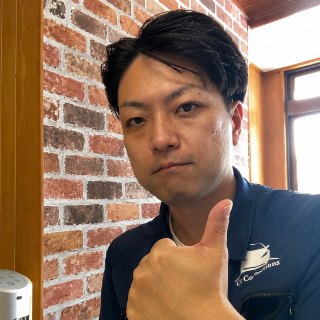
Information & editorial: SogaCar Connections Okinawa staff
A staff member of Car Connections Okinawa in Ageta, Okinawa City, assisting customers anxious about screening with choosing a used car and in-house loan consultations.
Related: the complete in-house loan guide / FAQ / contact us