
A Worry-Free Car Life in Okinawa! Smart Maintenance Tips for Your Used Car
news
Enjoy a Long and Safe Car Life in Okinawa! A Smart Maintenance Guide for Used Cars
In Okinawa, a car is more than just a means of transportation. It's an essential partner in our daily lives, whether for family drives, work commutes, or weekend outings. Used cars, which offer affordability, are a particularly attractive option for those starting their new car life in Okinawa. At Car Connections Okinawa, a provider of in-house loans for used cars, we are dedicated to supporting your journey on the road with our flexible financing system, driven by our desire to bring the option of purchasing a car to everyone who needs one.
However, you might feel a little anxious about the maintenance aspect after getting your car. Perhaps you're wondering, Are used cars prone to breaking down? What kind of maintenance do I need to do? or How much will it cost? Rest assured, with the right knowledge and a little care, you can keep a used car running safely for just as long as a new one. In this column, we'll clearly explain the fundamental maintenance knowledge and practical tips for keeping your used car in top shape for years to come in Okinawa.
Let's enjoy a safe and comfortable car life in Okinawa with your cherished vehicle.
The Pitfalls You Might Overlook: Risks of Neglecting Maintenance
It's not uncommon to hear stories like, It was sparkling when I bought it, but its performance declined before I knew it, or A sudden breakdown led to a massive repair bill. Car maintenance is much like managing your own health. If you neglect small daily habits or regular check-ups, you can end up with an unexpected illness or injury.
With used cars, in particular, some worry, I saved on the purchase price, but will the maintenance costs be higher? The answer to this largely depends on your approach to maintenance. Neglecting it doesn't save you money in the short term; in fact, it can lead to the following significant risks:
- Unexpected High Expenses: Ignoring a small issue can lead to a bigger breakdown, causing repair costs to balloon. For example, neglecting to replace worn brake pads can damage the brake rotors, often doubling or tripling the repair cost.
- Safety Concerns: Worn tires, poor brake performance, and malfunctioning lights can lead directly to serious accidents. This is a matter that concerns not only your own life but also those of your passengers and everyone else on the road.
- Worsening Fuel Economy: Degraded engine oil or clogged air filters will reduce your car's performance and worsen its fuel economy. With gasoline prices being a concern in Okinawa, you'll want to avoid poor mileage.
- Shortening the Car's Lifespan: A poorly maintained car puts more strain on its major components, ultimately shortening its lifespan. You'll want to drive the car you've acquired for as long as possible.
- Failing the Vehicle Inspection: If you skip regular checks, you may find that unexpected repairs or part replacements are needed when it's time for the mandatory vehicle inspection (shaken), leading to additional costs or, in the worst case, failing the inspection altogether.
Okinawa's warm climate, salt-laden air, and frequent traffic jams all take a toll on a vehicle. It's precisely because of this environment that proper maintenance becomes even more crucial.
Cherish Your Car for Years to Come! The Basics of Smart Maintenance
So, what specific maintenance tasks should you focus on? Here are five key points that are especially important for keeping your used car running safely for a long time.
Vehicle Inspections: Your Passport to Safety and Reliability. Plan Ahead.
The vehicle inspection, or shaken, is a legally mandated periodic inspection to confirm that a vehicle meets national safety and environmental standards. It's required three years after a new car purchase and every two years thereafter.
- Why is the inspection necessary?: The inspection checks a wide range of items, including brake effectiveness, light function, and exhaust gas condition, to determine if the vehicle is safe to drive on public roads. This is essential not only for your own safety but also for the safety of other road users.
- Preparing for the Cost: The inspection involves statutory fees like the automobile weight tax, compulsory liability insurance, and stamp fees, as well as inspection, servicing, and part replacement costs. While it varies by vehicle model and condition, the cost of a vehicle inspection is typically around 100,000 yen, but can be significantly higher if major parts need replacing. We recommend setting aside funds regularly to avoid being caught off guard by a sudden expense.
- Early Inspection and Estimate: About a month before your inspection expires, request an inspection and an estimate from a local garage or dealership. This gives you plenty of time to address any necessary repairs and review the cost breakdown.
Daily Checks Make All the Difference! Smart Management of Consumable Parts
A car has many consumable parts that wear out or degrade with use. Properly managing and replacing these parts is directly linked to maintaining your car's performance and safety.
Protect Your Engine with Oil Changes
- Engine Oil: Often called the lifeblood of a car, engine oil plays crucial roles in lubricating, cooling, and cleaning the engine. When the oil deteriorates, engine performance drops, leading to poor fuel economy and, in the worst-case scenario, engine failure.
- When to Change: The general rule of thumb is every 5,000 km or every six months, but an earlier change may be recommended depending on your driving habits (e.g., frequent short trips, lots of stop-and-go traffic). Regularly check the oil level and condition using the dipstick.
Tires: The Crucial Parts That Carry Your Life
- The Importance of Tires: Tires are the only parts of your car that touch the road, supporting all its basic actions: moving, stopping, and turning. The condition of your tires greatly affects safety, fuel economy, and ride comfort.
- Checkpoints:
- Tread Depth: If the wear indicators are showing, it's time for a replacement. The legal minimum tread depth is 1.6 mm or less.
- Air Pressure: Regularly adjust to the proper pressure. Under-inflation worsens fuel economy and causes uneven wear.
- Cracks: Check the sidewalls for any cracks. Rubber deterioration can lead to a blowout.
- Uneven Wear: Check if any part of the tire is wearing down abnormally. This could be a sign of misalignment or suspension issues.
- Tire Rotation: Regularly rotating your tires (switching their positions) helps prevent uneven wear and extends the overall life of the tires.
Preventing Battery Trouble
- Role of the Battery: The battery is responsible for starting the engine and supplying power to electrical components like lights and navigation systems.
- When to Replace: A typical lifespan is 3 to 5 years. Okinawa's hot and humid environment puts a heavy strain on batteries, making regular checks even more important.
- Symptoms: If the engine seems to struggle to start or your headlights seem dim, it might be a sign that your battery is nearing the end of its life.
Other Consumables
- Cabin Air Filter: Replacing this regularly keeps the air inside your car clean and improves air conditioner performance.
- Air Filter: This filter cleans the air supplied to the engine. A clogged filter can worsen fuel economy or cause engine trouble.
- Wiper Blades: Essential for clear vision on rainy days. Replace them if they start leaving streaks.
If Something Feels Off, See a Pro: The Benefits of Early Detection and Repair
The most important part of car maintenance is acting quickly when you feel something is not right. If you notice unusual noises, strange smells, or a warning light on your dashboard, don't hesitate to consult a professional mechanic.
- Don't Procrastinate: Putting it off with thoughts like It's probably fine or I'll just watch it for a bit longer often allows the problem to worsen. In many cases, this results in repair costs that are several times higher than they would have been initially, or it can lead to a more serious failure. For example, continuing to drive with a strange noise coming from the engine could result in needing a full engine replacement, a very expensive repair.
- Know Your Warning Lights: The warning lights on your instrument panel are vital signs that your car is in trouble. A red warning light indicates a high-urgency issue, and you should stop driving immediately and have the car checked. A yellow warning light indicates that while the danger is not immediate, an inspection is needed.
- Find a Trusted Mechanic: It's important to have a reliable mechanic or shop you can consult with regularly. A professional who can accurately diagnose your car's condition and provide appropriate advice and repairs is indispensable for a worry-free car life. At Car Connections Okinawa, our knowledgeable staff is here to support you so you can maintain your car with peace of mind.
Preparing for the Unexpected! The Basics of Repairs, Bodywork, and Painting
No matter how careful you are, the possibility of a careless scratch or an unavoidable accident is never zero. To prepare for such what if scenarios, it's good to have a basic understanding of repairs, bodywork, and painting.
- Why You Shouldn't Ignore Scratches and Dents: Even a small scratch or dent, if the paint is broken, can allow rust to form and lead to body corrosion. Okinawa's salt-laden air is particularly conducive to rust. It's not just a cosmetic issue; it can also shorten your car's lifespan.
- What are Bodywork and Painting?: Bodywork is the process of repairing dents and distortions in the car's body. Painting involves repainting the repaired area to match the original color, restoring its beauty and rust-proofing. Professional techniques can make signs of an accident virtually disappear.
- Choosing a Repair Shop: It's crucial to choose a trustworthy repair shop. Check if they explain the estimate in detail, have proven technical skills, and offer a warranty. Car Connections Okinawa is dedicated to providing sincere advice on repairs so our customers can entrust their vehicles with confidence.
- Using Your Insurance: If you have car insurance, you may be able to cover the repair costs. If an accident occurs, first contact your insurance company to confirm how to proceed.
Okinawa-Style Car Care Tips to Make Your Vehicle Last
Okinawa's climate requires unique considerations for car maintenance. By adopting car care practices suited to an environment with strong UV rays, salt air, and sudden downpours, you can keep your car beautiful for longer.
- Frequent Washing and Waxing: The salt in the sea breeze is a major cause of rust on your car's body and undercarriage. Wash your car regularly to rinse off the salt, and protect the paint with wax or a coating. A wax with UV protection is particularly helpful in preventing paint degradation from the strong sun.
- Be Mindful of Parking: If possible, park in a covered garage or a shady spot. This will protect your car from direct sunlight, wind, and rain. If that's not an option, using a car cover is also effective.
- Interior Care: Strong UV rays can also cause the dashboard and seats to fade, deteriorate, and crack. Use an automotive UV protection spray or protectant and wipe down the interior regularly to maintain its condition.
- Avoid Aggressive Driving: Sudden acceleration and hard braking put a great deal of strain on the engine, brakes, and tires. Driving smoothly will reduce wear on parts and also improve fuel economy.
- Smart Use of the Air Conditioner: The AC gets a lot of use in Okinawa, but running it continuously for long periods can strain the battery and AC system. It's a good idea to take breaks or switch between recirculating and fresh air modes.
Get Started! A Car Maintenance Checklist You Can Use Today
Car maintenance doesn't have to be complicated. Start with simple checks you can do yourself. The most important thing is to be consistent.
- Know Your Car's Current Condition: If you've just purchased a used car, check its current mileage, the date of the next vehicle inspection, and the replacement history of consumable parts. If anything is unclear, ask the dealership.
- Mark Your Inspection Date on the Calendar: Don't forget your vehicle inspection's expiration date. Set a reminder on your phone or mark your calendar. It's best to request an inspection and estimate one month before the expiration date.
- Perform a Simple Check Once a Month:
- Tires: Check the air pressure and tread depth. Look for cracks.
- Engine Oil: Check the oil level and condition using the dipstick.
- Coolant: Check the fluid level in the reservoir tank.
- Washer Fluid: Check the level and refill if necessary.
- Perform a More Detailed Check Every 3 Months:
- Lights: Check that the headlights, taillights, brake lights, and turn signals are all working correctly.
- Wipers: Check for streaks and see if the rubber has deteriorated.
- Battery: Check the fluid level (on non-maintenance-free types) and the condition of the terminals.
- Consider a Professional Inspection Every Six Months: In addition to your own checks, we recommend having a professional mechanic perform a periodic inspection every six months. There are issues that only a trained eye can spot.
- Consult a Pro Immediately if You Notice Anything Wrong: If you sense anything unusual—strange sounds, vibrations, a warning light—consult an expert right away. Early detection and response is the best way to keep costs down and stay safe.
- Set Up a Repair Fund: To prepare for unexpected expenses, it's a good idea to set aside a small amount each month specifically for car repairs and maintenance.
Conclusion: Enjoy a Safe and Trustworthy Car Life with Car Connections Okinawa
A car is a wonderful thing that enriches our lives. However, to fully enjoy its benefits, proper maintenance is essential. By paying attention to your car's condition, from simple daily checks to regular professional inspections, you can ensure its safety, improve its fuel economy, and, most importantly, cherish and drive it for many years to come.
For a used car, post-purchase maintenance is especially important. With the right care, a used car can become a reliable partner that's just as good as a new one. And by managing the costs systematically, maintenance doesn't have to be a major financial burden.
At Car Connections Okinawa, we want to do everything we can to help the people of Okinawa get a car with peace of mind and enjoy their life on the road to the fullest. We don't just broaden the options for owning a car; we also provide the necessary information and careful consultation to ensure you have many long and safe years with your vehicle.
We hope this column serves as a helpful resource for your safe and comfortable car life in Okinawa. We wish you many wonderful memories with your beloved car.
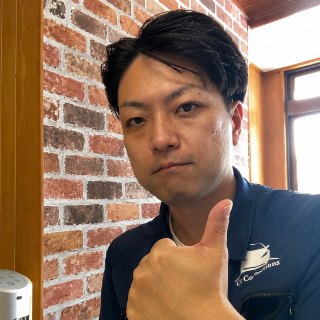
Information & editorial: SogaCar Connections Okinawa staff
A staff member of Car Connections Okinawa in Ageta, Okinawa City, assisting customers anxious about screening with choosing a used car and in-house loan consultations.
Related: the complete in-house loan guide / FAQ / contact us