
Peace of Mind in Okinawa: Used Car Inspections and Smart Maintenance Tips
tips
In Okinawa, a car is an essential partner for daily transportation. From taking children to and from school, to commuting for work and enjoying weekend leisure, having a car dramatically expands your range of activities and improves your quality of life. Used cars, in particular, are an attractive option for many because they help keep initial costs down compared to new vehicles.
However, many people feel anxious about what comes after purchasing a used car. The vehicle inspection, known as shaken, is one of the main points of concern for many owners. Questions like How much will the inspection cost?, What does it involve?, and What about repairs if something breaks? are endless.
In this article, we will provide practical information—from the basics of vehicle inspections and a breakdown of costs to smart maintenance tips—so that everyone driving a used car in Okinawa can enjoy a long and worry-free relationship with their vehicle. Our goal is to offer purchasing options to everyone who needs a car and to support a comfortable automotive lifestyle in Okinawa. We hope this guide will alleviate your concerns and give you hints for making every day with your beloved car more enjoyable.
What to Know About Owning a Used Car in Okinawa: The Basics and Importance of Vehicle Inspections
The vehicle inspection is a mandatory government inspection required for your car to be legally and safely driven on public roads in Japan. Neglecting it is not only a violation of the law with heavy penalties but, most importantly, it jeopardizes your own safety and the safety of those around you. For used car owners, the inspection is a major event after purchase, and it's crucial to understand its importance and prepare for it systematically.
- The vehicle inspection is a system that periodically checks whether a car's safety and environmental performance meet national standards.
- Driving on public roads with an expired inspection certificate is a violation subject to fines or imprisonment. If the compulsory liability insurance has also expired, the penalties are even more severe.
- For used cars, the preparation time for the next inspection varies depending on the remaining period at the time of purchase, so it is vital to confirm this when you buy the vehicle.
A Vehicle Inspection is a Health Check-up
Just as people get regular health check-ups to maintain their well-being, cars also need periodic inspections. The main purposes of the vehicle inspection are as follows:
- Ensuring Safety: It confirms that essential components for driving, such as brakes, lights, and tires, are functioning correctly to prevent accidents before they happen.
- Pollution Prevention: It checks whether exhaust emissions and other pollutants meet national standards to reduce the environmental impact.
The inspection only verifies that the car meets national standards at that specific moment; it does not guarantee that the car will be free of breakdowns until the next inspection. Therefore, it's important to think of it in conjunction with routine maintenance.
When to Get Your Vehicle Inspected
Vehicle inspections have an expiration date, and you must have your car inspected before it expires. The date is listed on your vehicle inspection certificate. The typical inspection cycle is as follows:
- For new cars: The first inspection is required 3 years after registration.
- Subsequently: The inspection must be renewed every 2 years.
You can have your car inspected up to one month before the expiration date. Getting it done within this period will not shorten the validity of your next inspection, so it's wise to start preparing early. Shops tend to be busy, especially before the New Year and Obon holidays, so plan your schedule with plenty of time.
A Complete Breakdown of Inspection Costs: Tips for an Affordable Service
When you hear about inspection costs, you might worry, Is this going to be expensive? However, the total cost is divided into several components. Understanding the breakdown can help alleviate vague anxieties and allow you to prepare intelligently. Inspection costs are mainly composed of two parts: statutory fees and basic inspection & maintenance fees.
- Statutory fees are paid to the government and are the same regardless of which shop performs the inspection.
- Basic inspection and maintenance fees vary depending on the shop you choose and the condition of your car.
- Understanding the breakdown allows you to avoid unnecessary maintenance and get your inspection done at a fair price.
Eliminate Anxiety by Visualizing Your Costs
First, let's look at the specific breakdown of statutory fees.
- Automobile Weight Tax: This tax is based on the vehicle's weight and is paid for two years at the time of inspection. For example, a standard passenger car weighing over 1.0 ton to 1.5 tons (not eligible for eco-car tax reductions) costs 24,600 yen for two years (for private use). The tax amount increases with the vehicle's weight.
- Compulsory Automobile Liability Insurance (Jibaiseki): This insurance is mandatory for all vehicles. You pay for 24 months (or 25 months) at the time of inspection. For a typical passenger car, the cost is 17,650 yen for 24 months (as of the April 2023 revision). This insurance covers compensation for damages to the other party in an accident.
- Stamp Duty: This is an inspection fee paid to the government, typically amounting to a few thousand yen.
These statutory fees are the same no matter where you get your inspection. The variable part is the basic inspection and maintenance fee. This refers to the cost of the inspection itself and any parts replacement or repairs needed to meet inspection standards. It can fluctuate significantly depending on the car's model, year, mileage, and the shop's labor rates, which is why getting an estimate beforehand is crucial.
Smart Tips for Keeping Costs Down
To smartly reduce your vehicle inspection costs, there are a few key points to keep in mind.
- Get estimates from multiple shops: Inspection fees, maintenance charges, and service details vary by shop. We recommend getting estimates from at least two or three places to compare.
- Balance essential work with preventive maintenance: In addition to the minimum maintenance required to pass the inspection, replacing parts that are likely to fail soon (preventive maintenance) can be cost-effective in the long run. When you get an estimate, be sure to confirm which repairs are mandatory for the inspection and which are recommended.
- Perform regular maintenance: Routine checks and timely replacement of consumables can ultimately prevent costly major repairs. Refer to the maintenance tips later in this article and take good care of your car.
At Car Connections Okinawa, we make it a point to carefully diagnose your car's condition and explain everything until you are fully satisfied. We will not push unnecessary repairs or parts replacements. Instead, we provide optimal proposals tailored to your automotive lifestyle and budget, so you can have peace of mind.
Often Overlooked Signs of Trouble: Smart Criteria for Repairs, Bodywork, and Painting
A vehicle inspection is important, but a biennial check alone doesn't guarantee your car's safety. Small changes you notice during daily driving—things that feel a little off—can be signs of a major malfunction. Catching these signs and addressing them early leads to safer driving and ultimately helps keep repair costs down.
- Making a habit of daily checks can help you discover abnormalities early.
- Ignoring a small issue can cause problems in other areas, leading to inflated repair costs.
- Repairs, bodywork, and painting require specialized knowledge and skills. It is important to consult a trustworthy shop.
Why Early Repairs End Up Being Cheaper
Putting off addressing a car issue with thoughts like It's probably fine or I'll just watch it for a bit longer can lead to unexpected secondary failures. For example, if you ignore worn brake pads, you could damage the brake discs as well. A repair that would have only required a pad replacement could now require a disc replacement, too. This is a classic example of a repair cost that could have been a few thousand to tens of thousands of yen ballooning to tens of thousands to over one hundred thousand yen due to neglect.
Because a car's parts work together, a malfunction in one component often puts stress on others, causing a chain reaction of failures. By performing repairs at an early stage, you can minimize both parts and labor costs, ultimately reducing your financial burden.
Points to Check and Dangerous Signs to Never Ignore When Something Feels Off
If you feel something is not quite right while driving, check the following points:
- Strange Noises: Odd sounds from the engine bay, squealing when braking, or clunking sounds while driving.
- Strange Odors: A burning smell, a sweet smell, or the smell of gasoline.
- Warning Lights: The check engine light, oil lamp, or brake warning light. If a light comes on, consult a professional immediately.
- Unusual Driving Feel: Brakes feel less effective, the steering wheel shakes, acceleration is sluggish, or the car doesn't drive straight.
- Fluid Leaks: You find spots that look like oil or coolant in your parking space.
These signs indicate a problem somewhere in your vehicle. In particular, an illuminated warning light or an issue with the brakes or steering, which directly affect driving, can lead to serious accidents if ignored. Stop driving immediately and contact a professional shop.
When Bodywork and Painting are Needed and Tips for Requesting Service
Even small scratches and dents, if left untreated, can become more than just a cosmetic issue—they can cause rust. Okinawa's climate is humid and carries a risk of salt damage, making prompt action important.
- Bodywork: This is the process of returning a car's dented or distorted body panels back to their original shape.
- Painting: This involves applying color to repaired or scratched areas to restore the appearance and prevent rust.
Bodywork and painting require specialized skills, so choosing a reliable shop is crucial. When getting an estimate, ask for details about the scope of the repair, the type of paint to be used, and the expected timeframe to ensure you are satisfied before committing to the work.
Extend Your Car's Life: The Basics of Tire and Oil Changes and Maintenance Tips
To keep your car running safely, comfortably, and for a long time, routine maintenance is just as essential as the vehicle inspection. Tires and engine oil, in particular, are critical consumables that directly impact your car's performance, safety, and fuel efficiency. By managing and replacing them at the appropriate times, you can extend the life of your beloved car and prevent unexpected trouble and expensive repairs.
- Tires are the only parts that touch the road and are directly linked to safety.
- Engine oil plays a vital role, often called the lifeblood of the engine.
- Regular replacement of consumables not only maintains your car's performance but also contributes to better fuel economy.
How to Check Your Tires and When to Replace Them
When tire treads become shallow or the rubber deteriorates, traction decreases, making the car more likely to slip. This is especially relevant to driving safety in rainy Okinawa.
Points to Check
- Wear Indicators: At the bottom of the tire grooves are wear indicators that show when the tread depth has reached 1.6mm. Once these are exposed, replacement is legally required. It's recommended to consider replacement even before this point.
- Cracks: Check the sidewalls for any cracks. This is a sign of rubber deterioration and can lead to a blowout.
- Uneven Wear: If only one part of the tire is wearing down abnormally, it could indicate improper wheel alignment or incorrect tire pressure.
- Tire Pressure: It is important to check your tire pressure regularly and maintain the recommended level. Underinflated tires not only worsen fuel economy but also shorten the lifespan of the tires.
When to Replace
Generally, tires should be replaced every 30,000 to 50,000 km or after 4 to 5 years from their manufacturing date. However, this can vary depending on usage and storage conditions, so regular visual inspections and consultations with a professional are important.
The Role of Engine Oil and Its Change Cycle
Engine oil performs five critical functions inside the engine:
- Lubrication: Reduces friction between parts, helping them move smoothly.
- Cooling: Absorbs engine heat to prevent overheating.
- Sealing: Fills the gap between pistons and cylinders to prevent power loss.
- Cleaning: Washes away internal engine dirt and sludge.
- Rust Prevention: Prevents metal parts from rusting.
Over time and with mileage, engine oil degrades and these functions diminish. Continuing to use degraded oil can lead to poor fuel economy, engine wear, and in the worst cases, engine failure.
When to Change
It is generally recommended to change the oil every 3,000 to 5,000 km or every 3 to 6 months. Cars with turbo engines or high mileage require more frequent changes. The oil filter should be replaced every other oil change. Changing your oil at the right time will extend your engine's life and maximize your car's performance.
A Worry-Free Car Life in Okinawa: Choosing a Place for Inspections and Maintenance
So far, we've discussed the basics of vehicle inspections, costs, and the importance of daily maintenance. However, you may still be wondering where to go for advice or which shop to entrust with your car. This is especially true for used cars, as each one is in a different condition, and for customers using our in-house financing, post-purchase follow-up is a key consideration.
- Choosing a reliable shop is the first crucial step to driving your car with peace of mind for a long time.
- Select a shop that listens to your questions and concerns and provides thorough explanations.
- We recommend a shop that is rooted in the Okinawan community and understands the local automotive lifestyle.
A Checklist for Choosing a Shop
Consider the following points when choosing a shop for your vehicle inspection or maintenance:
- Clarity of Explanation: Do they explain your car's condition, the necessary maintenance, and the costs in an easy-to-understand way, without using jargon? Are they sincere in answering your questions?
- Transparency of Estimates: Is the estimate clearly broken down into statutory fees, inspection fees, and maintenance costs, so you know exactly what you're paying for? Do they avoid pushing unnecessary services?
- Experience and Expertise: Do they have years of experience and the knowledge and skills to handle the specifics of used cars and various models? Do they understand the situation of customers who purchased their car with in-house financing?
- After-Sales Service: Do they have a system in place for you to easily consult with them about any issues after the inspection? Do they think about supporting you from a long-term perspective?
- Accessibility: Is the shop located in a convenient place in Okinawa, close to your home or work? An accessible location is important for when you need quick assistance.
Keeping these points in mind will be key to finding the right shop for you and enjoying a worry-free car life.
Our Mission at Used Car In-House Financing Car Connections Okinawa
We at Used Car In-House Financing Car Connections Okinawa are driven by a strong desire to provide purchasing options to everyone who needs a car. For those who have given up on buying a car due to concerns about credit or loan company screenings, we hope to help them start their car life in a manageable way through our flexible in-house financing system.
For everyone living in Okinawa, a car is not just a means of transportation; it's a vital tool that enriches life and sometimes becomes a cherished part of family memories. That is why we are committed to sincerely addressing your concerns about vehicle inspections and daily maintenance, so you can drive your car with peace of mind long after your purchase.
We strive to understand each customer's individual situation and explain technical terms in a clear and simple manner. We understand the characteristics of used cars and will propose the best plan that considers both your budget and your safety. If you have any trouble with your car, no matter how small, please do not hesitate to consult us. We are dedicated to fully supporting the automotive lifestyle of everyone in Okinawa.
A vehicle inspection is a crucial milestone in protecting your safe days with your car. And careful daily maintenance extends your car's life and protects you from unexpected trouble. By equipping yourself with this knowledge and managing your car smartly, your automotive life in Okinawa will become richer and more secure.
We at Used Car In-House Financing Car Connections Okinawa promise to provide sincere service and high-quality work so that you feel, This is a shop I can trust. Whatever your car-related needs may be, we are here to listen to your questions and concerns and find solutions together, so please feel free to reach out to us anytime.
We sincerely hope that you have the best possible car life with your beloved vehicle on the roads of Okinawa.
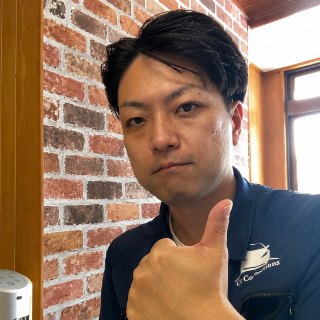
Information & editorial: SogaCar Connections Okinawa staff
A staff member of Car Connections Okinawa in Ageta, Okinawa City, assisting customers anxious about screening with choosing a used car and in-house loan consultations.
Related: the complete in-house loan guide / FAQ / contact us